
Why Do I Keep Returning to Old Habits? How Counseling Helps Break the Cycle of Addiction

Returning to old habits can be one of the most frustrating parts of addiction recovery. You may genuinely want to change, understand the consequences of substance use, and still find yourself struggling with familiar urges or behaviors when stress builds. This does not mean you lack willpower or that recovery is out of reach. Addiction counseling helps people understand why unhealthy patterns continue, address the factors behind substance use, and develop practical skills for building lasting change. With the right treatment and support, it is possible to move beyond repeated setbacks and create healthier ways to handle life’s challenges.

Addiction often develops through a combination of emotional, psychological, physical, and environmental factors. Breaking the cycle requires more than simply deciding to stop. It involves understanding personal triggers, learning new coping strategies, and receiving support that reflects individual needs. Professional counseling can provide a structured path toward that change.

Why Do Old Habits Return During Addiction Recovery?

Habits often become established because they provide a familiar response to a particular feeling or situation. Someone who regularly uses alcohol to manage stress, for example, may begin associating drinking with relief after a difficult day. Over time, that response can become automatic, even when the person recognizes its harmful effects.

Substance use can also affect the brain’s reward and stress systems. As a result, cravings, memories, and familiar surroundings may trigger urges long after someone has decided to pursue recovery.

Understanding these patterns is an important first step toward changing them.

Stress and Emotional Discomfort

Stress, anxiety, loneliness, anger, and sadness can increase vulnerability to substance use. When someone has relied on drugs or alcohol to cope with difficult emotions, those feelings may bring back the urge to use.

For example, a person experiencing conflict at home might feel overwhelmed and immediately think about drinking to escape the tension. Without other coping strategies, the familiar response may seem easier than facing the discomfort.

Counseling helps individuals recognize the connection between emotions and behavior. With practice, they can learn to respond to distress in healthier ways.

Familiar Environments and Social Pressure

People, places, and routines associated with past substance use can make recovery more challenging. Visiting an old hangout, spending time with people who continue to use substances, or returning to a stressful living environment may increase cravings.

Not every trigger can be avoided. However, recognizing high-risk situations makes it easier to prepare for them. A counselor can help clients establish boundaries, plan alternative activities, and practice responses to social pressure.

Unresolved Mental Health Concerns

Sometimes, substance use becomes a way to manage symptoms of anxiety, depression, trauma, or other mental health concerns. If these issues remain unaddressed, the urge to return to old habits may persist.

Effective addiction treatment considers both substance use and mental health. By identifying the underlying concerns, individuals can receive more complete support rather than focusing only on stopping the behavior.

How Addiction Counseling Helps Break the Cycle

Addiction counseling gives people an opportunity to examine their behavior without judgment and understand what keeps unwanted patterns in place. Instead of focusing only on past mistakes, counseling helps individuals identify what they can do differently moving forward.

Treatment methods vary according to personal needs, but several approaches can help people develop healthier responses and maintain progress.

1. Identifying Personal Triggers and Warning Signs

A trigger is an experience, emotion, thought, or situation that increases the desire to use substances. Triggers vary from person to person, so recognizing individual patterns is essential.

Counselors may help clients explore questions such as:

  • What usually happens before I experience cravings?
  • Which emotions are most difficult for me to manage?
  • Are there certain people or environments that increase my risk?
  • What thoughts do I have when I feel overwhelmed?
  • Which situations make it difficult to ask for help?

Keeping a simple journal can make these patterns easier to identify. Recording stressful events, emotions, cravings, and responses may reveal connections that were previously difficult to recognize.

Once triggers become clearer, individuals can develop a plan for responding to them. This preparation can reduce the likelihood of reacting automatically when a difficult situation arises.

2. Developing Healthier Coping Strategies

Recognizing a trigger is important, but knowing what to do next is equally valuable. Counseling helps people practice coping strategies they can use in everyday life.

Depending on individual needs, these strategies may include deep breathing, grounding exercises, problem-solving, mindfulness, and cognitive behavioral techniques. Cognitive behavioral therapy, for example, helps people identify unhelpful thinking patterns and consider more balanced ways to interpret difficult experiences.

Imagine someone who receives criticism at work and immediately thinks, “I cannot handle this.” That thought may increase feelings of shame and the desire to escape through substance use. Counseling can help the person examine the thought, recognize other possible interpretations, and choose a constructive response.

These skills take time to develop. Practicing them regularly makes it easier to use them when emotions are intense or cravings appear unexpectedly.

3. Addressing the Root Causes of Substance Use

For many people, addiction is connected to experiences that extend beyond the substance itself. Emotional pain, chronic stress, difficult relationships, trauma, or untreated mental health conditions may all contribute to recurring patterns.

Counseling helps individuals explore these influences at a pace that feels appropriate. The goal is not to force someone to revisit painful experiences before they are ready. Instead, treatment provides a supportive setting for understanding personal history and developing safer ways to manage its effects.

Individual therapy may focus on emotional regulation, self-esteem, grief, boundaries, or relationship patterns. When appropriate, treatment may also include trauma-informed care, family counseling, or mental health services.

Addressing these concerns can help individuals build a recovery plan that responds to more than the immediate symptoms of substance use.

The Importance of Treating Mental Health and Addiction Together

Mental health and addiction frequently affect one another. Anxiety or depression may increase the temptation to use substances for temporary relief, while substance use can intensify emotional symptoms and interfere with daily functioning.

When both concerns are present, treating them together can provide a stronger foundation for recovery.

What Integrated Treatment Can Offer

Integrated care brings addiction treatment and mental health support into a coordinated plan. Depending on the individual’s needs, this may include counseling, psychiatric assessment, behavioral therapies, medication when clinically appropriate, and ongoing monitoring.

This approach helps people understand how their symptoms interact. For instance, someone who experiences panic during stressful situations may learn techniques for managing anxiety while also developing a plan to handle substance cravings.

It is important to seek qualified professional guidance when mental health symptoms are persistent or interfere with daily life. Some people need specialized services in addition to addiction counseling, and treatment plans should reflect those needs.

Recovery becomes more manageable when individuals have support for the full range of challenges affecting their well-being.

Choosing the Right Addiction Treatment Program

The right treatment program should address a person’s substance use history, mental health, daily responsibilities, and available support. Because recovery needs differ, the most suitable level of care will depend on a professional assessment.

Inpatient and Residential Treatment

Residential treatment provides a structured environment where individuals can focus on recovery with fewer everyday distractions. It may be appropriate for people who need intensive support, a stable setting, or distance from environments associated with substance use.

Programs may offer individual counseling, group therapy, recovery education, mental health services, and activities that help establish healthier routines.

People who may experience dangerous withdrawal symptoms should seek medical assessment. Withdrawal from alcohol or certain sedatives can be life-threatening, and medically supervised care may be necessary.

Outpatient Treatment

Outpatient treatment allows individuals to attend scheduled counseling and treatment sessions while continuing to live at home. It may suit people whose needs can be safely managed outside a residential setting and who have access to appropriate support.

Some programs offer more intensive outpatient services with frequent sessions and structured therapeutic activities. Others provide ongoing counseling as part of a longer-term recovery plan.

For some individuals, outpatient treatment follows residential care. This transition can help them apply the skills they learned in treatment while returning to work, family responsibilities, and other daily activities.

When comparing programs, ask how treatment plans are personalized, how mental health concerns are addressed, and what support is available after the initial phase of care.

How to Maintain Progress When Old Habits Resurface

Recovery rarely means that every craving or difficult emotion disappears. Progress often involves learning to respond differently when challenges occur.

A practical recovery plan can help individuals remain focused when familiar habits begin to return.

Build a Routine That Supports Recovery

Consistent routines can reduce uncertainty and create more opportunities for healthy choices. Try to establish regular sleep and meal schedules, make time for physical activity, and include activities that provide enjoyment or meaning.

It can also help to schedule counseling appointments and recovery support before the week becomes overwhelming. Planning ahead makes it easier to maintain healthy habits during stressful periods.

Strengthen Your Support System

Isolation can make old patterns harder to change. Trusted friends, family members, counselors, and peer support communities can provide encouragement and help individuals recognize when they need additional support.

Not every relationship will be helpful during recovery. Setting boundaries with people who encourage substance use or undermine treatment can be an important part of protecting progress.

If you are unsure how to communicate your needs, counseling can help you practice setting limits and asking for support clearly.

Treat Setbacks as Information, Not Failure

A return to substance use can be serious and may require prompt professional attention. However, it does not mean that further recovery is impossible.

With a counselor, individuals can review what happened, identify missed warning signs, and determine whether their treatment plan needs to change. They may need additional sessions, a different level of care, medical support, or stronger protections against specific triggers.

The priority is to respond quickly and safely rather than allowing shame to prevent someone from seeking help.

Take the Next Step Toward Lasting Change

If you keep returning to old habits despite wanting to change, there may be underlying patterns that deserve attention and support. Addiction counseling can help you understand your triggers, address mental health concerns, develop healthier coping strategies, and build a recovery plan that fits your life.

You do not have to solve every problem at once, and you do not need to wait until a situation becomes a crisis before asking for help. Effective treatment can include individualized counseling, inpatient or outpatient services, continued mental health care, and holistic or faith-based support when these approaches match your preferences and needs.

The first step is to talk with a qualified treatment professional about what you are experiencing. Together, you can explore the factors contributing to substance use and identify practical ways to move forward. With appropriate support, consistent effort, and a plan built around your needs, old habits do not have to determine your future.

What Makes Addiction Treatment Effective? 5 Questions to Ask Before Choosing a Program

Choosing an addiction treatment program is an important decision that can shape the course of recovery. With different treatment settings, counseling approaches, and levels of support available, it can be difficult to know which option will meet your needs or those of someone you love. Effective addiction treatment goes beyond stopping substance use. It addresses the underlying factors contributing to addiction, supports mental health, and helps individuals develop the skills needed for lasting recovery. Knowing which questions to ask can help you compare programs, understand your options, and make a more informed decision.
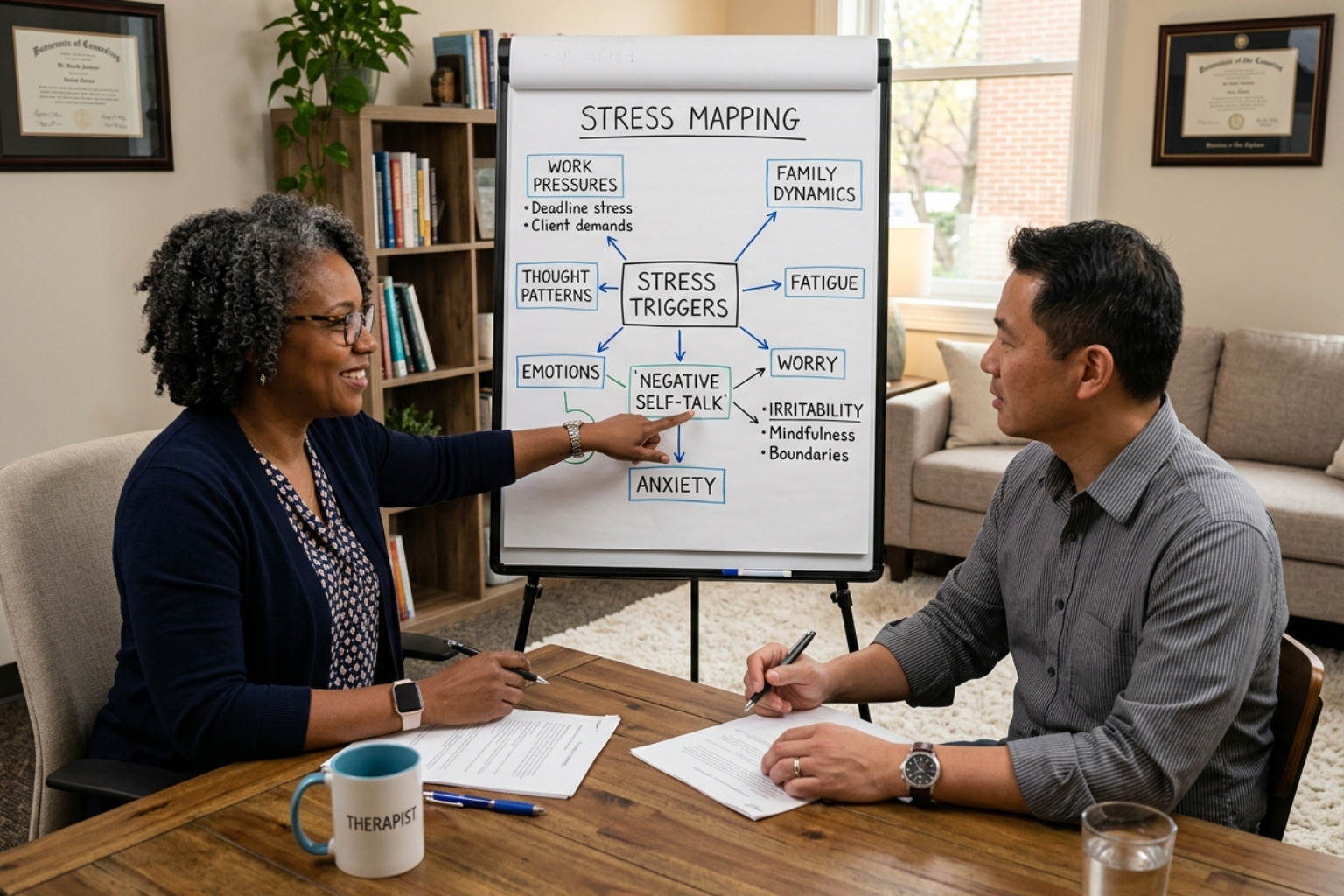
Although no single treatment approach works for everyone, quality care should be individualized, grounded in sound clinical practices, and responsive to each person’s circumstances. Before choosing an addiction treatment program, consider these five essential questions.

1. Does the Program Create an Individualized Treatment Plan?

Addiction affects people differently. Substance use history, physical health, emotional well-being, family relationships, and personal responsibilities can all influence what someone needs to recover successfully. A program that offers the same plan to every client may overlook important factors that contribute to substance use.

Effective addiction treatment begins with a thorough assessment and a plan that reflects the individual’s needs.

What Should an Individualized Plan Include?

A well-developed treatment plan may address:

  • The type and severity of substance use.
  • Physical health concerns and potential withdrawal risks.
  • Mental health symptoms, including anxiety, depression, or trauma-related distress.
  • Personal triggers, cravings, and patterns of substance use.
  • Family relationships, social support, and living arrangements.
  • Personal goals, cultural considerations, and spiritual preferences.
  • Plans for continuing care after the initial treatment phase.

For example, someone who uses alcohol to manage anxiety may need support for both substance use and anxiety symptoms. Another person may need help recognizing relationship conflicts or workplace pressure that contribute to recurring cravings.

Individualized care allows treatment professionals to adjust goals and interventions as progress continues. It also gives clients an active role in decisions about their recovery.

What to ask: How do you assess each person’s needs, and how often do you review or adjust the treatment plan?

2. Does the Program Address Mental Health Alongside Addiction?

Mental health and substance use often influence one another. Some individuals begin using substances to cope with emotional pain, persistent anxiety, depression, or traumatic experiences. Over time, substance use can also worsen existing symptoms or create new difficulties.

When treatment addresses only the substance use, important contributors to the problem may remain unresolved.

Why Integrated Mental Health Care Matters

Integrated treatment considers addiction and mental health together. Depending on an individual’s assessment, services may include individual counseling, group therapy, cognitive behavioral therapy, psychiatric evaluation, or other appropriate interventions.

Counseling can help people recognize the relationship between thoughts, feelings, and substance use. For instance, a person who feels overwhelmed by stress may learn to identify unhelpful thinking patterns and practice healthier responses instead of turning to alcohol or drugs.

Addressing co-occurring conditions can also improve daily functioning. Individuals may develop better emotional regulation, communication skills, and confidence in handling challenging situations.

When evaluating a program, ask whether qualified professionals can assess mental health concerns and coordinate care when additional services are necessary. If medication is appropriate, treatment should include qualified medical oversight.

What to ask: How do you identify and treat co-occurring mental health conditions, and who provides that care?

3. Does the Program Offer the Right Level of Care?

The most effective treatment setting depends on a person’s clinical needs, safety, recovery history, and living environment. Some individuals benefit from residential treatment, while others can make progress through outpatient services. The right choice should be based on a professional assessment rather than convenience alone.

Understanding Inpatient and Residential Treatment

Residential treatment provides a structured environment where individuals can focus on recovery away from many everyday pressures and substance-related triggers. It may be appropriate for people who need intensive support, greater structure, or distance from an environment that makes recovery difficult.

Depending on the program, treatment may include individual counseling, group sessions, mental health services, recovery education, and activities that support healthy routines.

Medical needs must also be considered. People at risk of dangerous withdrawal symptoms may require medical evaluation and supervised withdrawal management before or during ongoing addiction treatment.

Understanding Outpatient Treatment

Outpatient treatment allows individuals to attend scheduled appointments while continuing to live at home. Depending on the level of care, services may include counseling, group therapy, relapse prevention education, and regular clinical check-ins.

This option may work well for individuals whose needs can be safely managed outside a residential setting and who have suitable support at home. Intensive outpatient programs offer more frequent structured services than standard outpatient care.

Some people transition from residential treatment to outpatient counseling as their needs change. This step-down approach can help them apply recovery skills while gradually returning to everyday responsibilities.

Neither setting is automatically better for everyone. What matters is whether the program provides an appropriate level of support and a clear plan for moving between services when needed.

What to ask: Which level of care do you recommend for my situation, and how will you determine whether my treatment needs change?

4. Does the Program Teach Practical Skills for Preventing Relapse?

Recovery involves more than completing a treatment program. Individuals must also learn how to respond to stress, manage cravings, recognize risky situations, and maintain healthy relationships after treatment.

A quality addiction treatment program prepares clients for these challenges before they return to their usual routines.

Look for Counseling That Builds Everyday Skills

Effective counseling helps people understand why substance use became part of their lives and how to develop healthier responses. Treatment may focus on:

  • Identifying personal triggers and early warning signs.
  • Managing cravings without acting on them.
  • Recognizing thoughts and emotions that increase relapse risk.
  • Handling stress, conflict, and disappointment.
  • Establishing boundaries with people or environments associated with substance use.
  • Building supportive relationships and asking for help when needed.
  • Developing realistic routines that support sleep, nutrition, and general well-being.

For example, someone who frequently experiences cravings after an argument can work with a counselor to recognize emotional warning signs, practice calming techniques, and plan whom to contact for support.

Relapse prevention should also include a clear response plan for difficult periods. If substance use resumes, the person should know how to seek help promptly, address safety concerns, and review the treatment plan without viewing the setback as proof that recovery is impossible.

What to ask: How will your program help me recognize triggers, manage cravings, and respond if I begin struggling after treatment?

5. Does the Program Support Whole-Person Wellness and Long-Term Recovery?

Addiction can affect physical health, emotional stability, relationships, work, and a person’s sense of purpose. Effective treatment considers these areas because recovery involves building a healthier life, not simply avoiding substances.

Whole-person care may combine evidence-based clinical services with practical wellness strategies and support that reflects each client’s values.

How Holistic and Faith-Based Support Can Help

Holistic approaches may incorporate physical activity, mindfulness, stress management, healthy routines, and other activities that complement clinical treatment. These practices can help individuals reconnect with their bodies, manage daily pressure, and establish healthier habits.

For people who value spirituality, faith-based support may also provide a sense of purpose, connection, and encouragement. Depending on the program, this could include spiritual counseling, prayer, or participation in a faith community.

These approaches should complement appropriate addiction and mental health care rather than replace necessary clinical treatment. Individuals should be able to discuss their preferences openly and understand which services are optional.

Long-term recovery also depends on what happens after the initial treatment phase. Ongoing counseling, peer support, family involvement, and continuing care can help people respond to new challenges as their lives change.

Why Aftercare Planning Is Essential

Before treatment ends, clients should understand how they will continue receiving support. An aftercare plan may include outpatient therapy, support groups, follow-up appointments, recovery meetings, and strategies for managing high-risk situations.

The plan should be realistic for the person’s schedule, financial circumstances, transportation needs, and available support network. Regularly reviewing the plan can help identify gaps before they become major obstacles.

What to ask: What support will be available after treatment, and how will you help me maintain progress when I return to daily life?

How to Compare Addiction Treatment Programs

Once you have answers to these five questions, compare programs based on their clinical services, treatment settings, staff qualifications, and approach to continuing care.

Look for clear explanations of the services provided, transparent information about costs and insurance where applicable, and opportunities to discuss concerns before making a commitment. Ask how progress is measured and how clients participate in treatment decisions.

Be cautious of programs that promise guaranteed results or suggest that one approach works for everyone. Recovery is a personal process, and meaningful progress often requires adjustments, ongoing support, and realistic expectations.

It is also reasonable to ask whether the program can accommodate medical needs, accessibility requirements, family involvement, and personal beliefs. These details can make a significant difference in how practical and appropriate a treatment plan will be.

Most importantly, do not feel that you must make the decision without guidance. A qualified healthcare professional or addiction treatment specialist can help you understand the available options and determine what level of care may be suitable.

Take the Next Step Toward Effective Addiction Treatment

Finding the right addiction treatment program starts with asking informed questions. Individualized care, integrated mental health services, an appropriate level of treatment, practical relapse prevention skills, and a clear aftercare plan all contribute to a stronger foundation for recovery.

The best program is not necessarily the one with the most services or the most appealing promises. It is the one that can respond to your specific needs, explain its approach clearly, and help you build the skills and support necessary for lasting change.

If you or someone you care about is struggling with substance use, reaching out for professional guidance is a meaningful first step. You do not need to have every answer before asking for help. Start by discussing your concerns, exploring available treatment options, and identifying the kind of support that fits your circumstances.

With appropriate care and a plan built around the individual, recovery can become a practical path toward better health, stronger relationships, and a more stable future.

When Stress Becomes a Trigger: How Counseling Helps Prevent Addiction Relapse

Stress is a common part of life, but for someone recovering from addiction, it can become a powerful trigger for returning to substance use. Financial pressure, relationship conflicts, work demands, loneliness, and unexpected changes can create emotional strain that makes old coping habits seem appealing again. Addiction relapse prevention starts with understanding these triggers and learning healthier ways to respond to them. Professional counseling can help individuals recognize their stress patterns, manage difficult emotions, and develop practical skills that support lasting recovery.

Recovery involves more than stopping alcohol or drug use. It also means learning how to handle everyday challenges without relying on substances for relief. With individualized counseling, appropriate treatment, and ongoing support, people can build greater emotional stability and protect the progress they have made.

Understanding the Connection Between Stress and Addiction Relapse

Stress affects both the body and the mind. When pressure builds, a person may experience anxiety, irritability, sleep problems, racing thoughts, or difficulty concentrating. For someone with a history of substance use, these feelings can bring back memories of using drugs or alcohol to escape discomfort.

Substances may have provided temporary relief in the past. However, that relief often came with consequences, including worsening mental health, damaged relationships, financial difficulties, or declining physical health. During recovery, familiar stressors can reactivate the desire to return to those patterns.

Common Stress Triggers During Recovery

Everyone experiences stress differently. However, several situations frequently increase the risk of relapse:

  • Relationship difficulties: Arguments, unresolved conflict, and feelings of rejection can intensify emotional distress.
  • Work and financial pressure: Deadlines, job insecurity, and money concerns can make daily responsibilities feel overwhelming.
  • Loneliness and isolation: Limited social contact may leave people without the encouragement they need during difficult periods.
  • Mental health symptoms: Anxiety, depression, and unresolved emotional pain can make it harder to manage stress without professional support.
  • Major life changes: Moving, changing jobs, ending a relationship, or returning home after treatment can disrupt familiar routines.
  • Recovery fatigue: Maintaining healthy habits and resisting cravings can feel exhausting, particularly when several challenges occur at once.

Recognizing these patterns is an important first step. Once individuals understand what increases their vulnerability, they can work with a counselor to prepare for challenging situations before they become overwhelming.

How Counseling Helps Prevent Addiction Relapse

Counseling provides a structured setting where people can examine their experiences, understand their reactions, and practice healthier responses. Rather than simply telling someone to avoid stress, a counselor helps them identify what they can change, what they need to accept, and how they can respond constructively.

Identifying Triggers and Early Warning Signs

Relapse often develops through a series of changes rather than a single decision. Someone might begin sleeping poorly, withdrawing from supportive friends, skipping counseling appointments, or thinking more frequently about past substance use. These changes do not guarantee a relapse, but they can signal that additional support is needed.

A counselor can help clients recognize their personal warning signs and connect them to specific triggers. For example, someone who experiences cravings after workplace conflict might discover that criticism brings up feelings of shame or failure. Understanding this connection makes it easier to respond intentionally instead of reacting automatically.

Keeping a simple record of stressful events, emotional reactions, cravings, and coping responses can also reveal recurring patterns. Over time, this awareness supports more effective relapse prevention planning.

Developing Healthier Coping Skills

One of the central goals of addiction counseling is to replace harmful coping habits with practical alternatives. These skills need to work in real situations, including moments when emotions feel intense or a craving appears unexpectedly.

Depending on individual needs, counseling may help people practice:

  • Deep breathing and grounding exercises to manage immediate tension.
  • Cognitive behavioral techniques to challenge unhelpful thought patterns.
  • Problem-solving strategies for addressing manageable sources of stress.
  • Communication skills for setting boundaries and resolving disagreements.
  • Mindfulness practices that encourage awareness without acting on every thought or urge.
  • Planning and time management to reduce avoidable pressure.
  • Reaching out to trusted people before distress becomes difficult to manage alone.

For example, a person who feels overwhelmed after an argument might previously have turned to alcohol or drugs. With counseling, that individual can learn to pause, regulate their emotions, contact a supportive person, and revisit the conflict when they feel more prepared.

These strategies become more useful through regular practice. The goal is not to eliminate stress completely, but to increase the ability to handle it without returning to substance use.

Treating Mental Health and Addiction Together

Stress can become especially difficult to manage when it overlaps with anxiety, depression, trauma, or other mental health concerns. In these circumstances, addressing substance use alone may leave important sources of distress unresolved.

Integrated addiction and mental health treatment considers how these challenges affect one another. A person may use substances to cope with anxiety, while substance use may also worsen anxiety symptoms over time. Without support for both concerns, the same cycle can continue.

The Value of Individualized Counseling

There is no single recovery plan that works for everyone. Personal history, substance use patterns, mental health needs, family relationships, physical health, and cultural or spiritual values can all influence the type of support a person needs.

Individualized counseling allows treatment to reflect these differences. Some people may benefit from cognitive behavioral therapy, while others may need trauma-informed support, family counseling, group therapy, or additional psychiatric care.

Counseling can also help clients establish realistic goals. Instead of trying to solve every problem at once, they can focus on manageable steps, such as improving sleep, attending appointments consistently, practicing one new coping strategy, or rebuilding a supportive relationship.

When treatment reflects a person’s circumstances and preferences, recovery strategies are more likely to feel relevant and sustainable.

Building a Daily Routine That Reduces Stress

Counseling works best when the skills learned in sessions become part of everyday life. A stable routine can reduce uncertainty, protect emotional well-being, and make it easier to recognize when stress is increasing.

Prioritize Sleep, Nutrition, and Physical Activity

Poor sleep and irregular meals can contribute to irritability, low energy, and difficulty managing emotions. Regular sleep schedules, balanced meals, adequate hydration, and appropriate physical activity support general health and can make daily stress easier to handle.

These habits do not replace professional treatment. Instead, they complement counseling by supporting the physical and emotional resources needed for recovery.

Make Room for Meaningful Activities

Recovery can feel isolating when substance use once occupied a large part of daily life. Reintroducing enjoyable and meaningful activities helps create a life that offers more than avoiding substances.

Depending on personal interests, this might include spending time outdoors, pursuing creative hobbies, volunteering, connecting with family, or participating in a faith community. Some people find spiritual practices helpful, while others prefer secular approaches to reflection and personal growth.

The important point is to build a routine that reflects individual values and provides healthy ways to experience connection, satisfaction, and purpose.

Strengthen Your Support Network

Stress becomes harder to manage when people feel they must handle everything alone. A reliable support network can provide perspective, encouragement, and accountability during difficult periods.

This network might include trusted friends, family members, counselors, peer support groups, or recovery communities. Counseling can help individuals identify safe relationships, communicate their needs, and set boundaries with people or situations that undermine recovery.

It can also help family members understand how to offer support without taking responsibility for another person’s recovery. Clear communication and realistic expectations can reduce conflict and create a healthier environment for everyone involved.

Choosing the Right Level of Addiction Treatment

The appropriate level of care depends on the person’s symptoms, substance use history, living environment, medical needs, and available support. Counseling may be part of outpatient treatment, an intensive outpatient program, or a residential treatment plan.

Outpatient care allows individuals to attend treatment while continuing many everyday responsibilities. It may be suitable for people whose needs can be safely managed outside a residential setting. More intensive outpatient services offer additional structure, while residential treatment provides a setting with greater supervision and separation from everyday triggers.

A qualified treatment professional can help determine which option is appropriate. For some individuals, medical assessment or supervised withdrawal management may be necessary before counseling can become the primary focus. Alcohol or sedative withdrawal can be dangerous, so people who may be physically dependent should seek medical guidance rather than stopping suddenly without support.

Regardless of the setting, continuing care matters. Regular counseling, relapse prevention planning, and follow-up support can help people address new stressors as their circumstances change.

What to Do When Stress and Cravings Increase

Experiencing cravings during recovery does not mean that treatment has failed. It is an opportunity to use the skills developed through counseling and seek additional help when needed.

If stress begins to feel unmanageable, consider these steps:

  1. Pause and identify the trigger. Ask yourself what happened, what you are feeling, and whether a particular thought or situation is increasing the urge to use substances.
  2. Create distance from immediate risks. If possible, step away from environments, people, or situations that make substance use more likely.
  3. Use a practiced coping strategy. Try grounding, slow breathing, a short walk, or another healthy response that has helped you before.
  4. Contact someone you trust. Reach out to a counselor, supportive friend, family member, or recovery contact instead of isolating yourself.
  5. Review your recovery plan. Identify whether you need more frequent counseling, additional treatment services, or changes to your daily routine.

If a return to substance use occurs, seek help promptly. Avoid treating a setback as proof that recovery is impossible. A treatment professional can help assess what happened, address immediate safety concerns, and adjust the recovery plan.

Take the Next Step Toward Lasting Recovery

Stress cannot always be avoided, but it does not have to control the direction of recovery. With effective addiction counseling, people can identify their triggers, strengthen emotional regulation, improve relationships, and develop healthier ways to respond to life’s challenges.

The right support considers the whole person, including mental health, daily responsibilities, personal values, and the circumstances that influence substance use. For some individuals, outpatient counseling may provide the structure they need. Others may benefit from more intensive or residential care, followed by continued support as they return to everyday life.

If stress is increasing cravings or making recovery feel difficult, consider reaching out for professional guidance. You do not need to wait for a crisis to ask for help. A conversation with a qualified treatment professional can be the starting point for a personalized plan that supports stability, renewed confidence, and long-term recovery.

Healing With Purpose: How Personalized Counseling Can Help You Move Beyond Addiction and Reclaim Your Life

Addiction can gradually take over parts of life that once felt important, including relationships, health, work, family responsibilities, confidence, and personal goals. Breaking free from substance use is an important achievement, but lasting recovery involves much more than stopping drugs or alcohol. Personalized counseling can help individuals understand the emotional and behavioral patterns connected to addiction, develop healthier ways to cope with challenges, and begin building a life with greater stability and purpose. When counseling is combined with individualized addiction treatment and appropriate mental health care, recovery becomes an opportunity to reclaim more than sobriety. It becomes an opportunity to reclaim your life.

Why Personalized Counseling Matters in Addiction Recovery

There is no single reason why someone develops an addiction. Substance use may begin as an attempt to cope with stress, anxiety, grief, trauma, loneliness, relationship problems, or emotional pain. Over time, what once seemed like a temporary solution can become a pattern that is difficult to control.

Because the reasons behind addiction vary, counseling should not treat every person exactly the same way.

Personalized counseling considers the individual’s history, emotional health, substance use patterns, relationships, responsibilities, environment, strengths, and goals. This approach can make treatment more relevant because it focuses on the challenges that actually affect the person’s recovery.

Looking Beyond the Substance

Stopping substance use is essential, but it does not automatically resolve the problems that may have contributed to it.

For example, someone may stop drinking but continue struggling with severe anxiety. Another person may stop using drugs but still have difficulty processing trauma or managing anger. Without healthier coping strategies, those unresolved concerns can create significant pressure during recovery.

Counseling provides an opportunity to examine what is happening beneath the surface and develop practical responses that support long term recovery.

Counseling Can Help You Understand Your Triggers

Triggers are situations, emotions, memories, people, or environments that can increase cravings or make healthy decisions more difficult. They are different for everyone.

A stressful workplace may be a trigger for one person. For another, conflict with a family member, loneliness, financial pressure, or a particular social environment may create a strong desire to use substances.

Learn to Recognize Patterns

Personalized counseling can help you identify what tends to happen before substance use or intense cravings.

Questions worth exploring include:

  • What emotions usually appear before a craving?
  • Which situations make stress harder to manage?
  • Are certain relationships connected to unhealthy behaviors?
  • What thoughts tend to influence impulsive decisions?
  • Which coping strategies have failed in the past?
  • Who can you contact when you need support?

Understanding these patterns does not mean blaming yourself for them. Instead, awareness gives you an opportunity to respond differently.

When you recognize a trigger earlier, you have more time to pause, use a coping strategy, leave a risky situation, or ask for help.

Develop Healthier Ways to Handle Difficult Emotions

Addiction can become a learned way of managing uncomfortable feelings. A person may drink to relax, use drugs to escape emotional pain, or turn to substances after a stressful experience.

Recovery requires learning what to do instead.

Build Practical Coping Skills

Professional counseling can help individuals strengthen skills related to:

  • Emotional regulation
  • Stress management
  • Communication
  • Problem solving
  • Healthy boundaries
  • Craving management
  • Relapse prevention
  • Conflict resolution
  • Asking for support

These skills matter because difficult moments do not disappear after treatment begins. Work pressure, family disagreements, financial concerns, disappointment, and unexpected changes are part of life.

The goal of counseling is not to create a life without stress. It is to help you become better prepared to handle stress without returning to substance use.

Address Mental Health and Addiction Together

Mental health treatment can be an important part of addiction recovery, particularly when someone is experiencing co occurring concerns.

Anxiety, depression, trauma, chronic stress, and other emotional challenges can affect sleep, motivation, relationships, decision making, and the ability to manage daily responsibilities. Substance use can make these concerns even more complicated.

Affinct’s current treatment information emphasizes connecting addiction recovery with mental health support rather than treating the two concerns as completely separate issues.

Create a Stronger Emotional Foundation

Counseling can help individuals explore difficult experiences while learning healthier ways to respond to emotional distress.

Over time, this work can strengthen emotional resilience. Resilience does not mean never feeling anxious, angry, sad, or overwhelmed. Instead, it means learning that difficult emotions can be experienced without automatically leading to destructive behavior.

That distinction can make a significant difference in recovery.

Choose a Level of Care That Matches Your Needs

Personalized recovery also means considering where treatment should take place.

Some people need the structure of inpatient or residential treatment, while others may benefit from outpatient care that allows them to continue living at home. The appropriate level of care depends on factors such as substance use severity, mental health needs, safety, home environment, responsibilities, and available support.

Inpatient and Residential Treatment

Inpatient treatment can provide a structured environment for individuals who need more intensive support.

Having distance from substance use triggers may give someone valuable space to focus on counseling, emotional health, healthy routines, recovery planning, and other aspects of treatment.

For people whose current environment makes early recovery especially difficult, additional structure can provide an important foundation.

Outpatient Treatment

Outpatient treatment provides professional support while allowing individuals to remain at home.

For someone with an appropriate level of stability, outpatient care can make it possible to continue work, school, family responsibilities, and other parts of daily life while participating in counseling and treatment.

It can also provide an opportunity to practice new coping skills in real world situations while continuing to receive professional guidance.

The key is not choosing the most intensive option simply because it sounds more comprehensive. The goal is finding the level of care that fits the individual’s actual needs.

Support the Whole Person, Not Just the Addiction

Recovery becomes stronger when it addresses the different areas of life that influence well being.

Holistic approaches can complement professional counseling by supporting physical health, emotional stability, daily routines, and personal wellness. Affinct’s treatment information identifies options such as mindfulness, relaxation, stress management, nutrition education, physical wellness activities, healthy sleep routines, and healthy lifestyle planning.

Build Routines That Support Recovery

Healthy routines can provide stability when addiction has made life unpredictable.

Simple practices can include:

  • Maintaining a consistent sleep schedule
  • Eating regular, nutritious meals
  • Staying physically active
  • Practicing relaxation or mindfulness
  • Making time for healthy interests
  • Maintaining supportive relationships
  • Scheduling counseling and recovery activities consistently

These habits do not replace professional addiction treatment. Instead, they can reinforce the skills learned during counseling and make healthy choices easier to maintain.

Make Room for Faith and Personal Values

For some individuals, faith can be an important source of strength during recovery.

Faith based support may provide opportunities to explore hope, forgiveness, purpose, community, and personal values. However, effective personalized care should respect the individual’s beliefs rather than assuming that everyone finds meaning in the same way.

Let Your Values Guide Your Recovery

Counseling can help you consider what matters most to you.

That might include family, faith, career, service, relationships, education, creativity, health, or personal growth. Identifying these values can make recovery feel more connected to the life you want to build.

Instead of asking only, “How do I stop using?”

You can begin asking, “What kind of life do I want to create now?”

That shift can give recovery a stronger sense of direction.

Reclaiming Your Life Requires More Than Avoiding Substances

A person who has spent months or years focused on addiction may have lost touch with goals and interests that once mattered. Recovery creates an opportunity to rediscover them.

Rebuild Relationships With Patience

Addiction can damage trust. Family members may have experienced broken promises, conflict, financial difficulties, or emotional distance.

Counseling can help individuals develop healthier communication, boundaries, accountability, and conflict resolution skills.

Rebuilding trust takes time. An apology can be meaningful, but consistent behavior is what demonstrates lasting change. Recovery gives individuals the opportunity to show loved ones that their actions are changing.

Rediscover Purpose

Purpose can become an important part of long term recovery.

Consider questions such as:

  • What goals have I postponed?
  • What relationships do I want to strengthen?
  • What kind of person do I want to become?
  • What activities make me feel engaged and connected?
  • What career or educational goals matter to me?
  • How can I contribute to my family or community?
  • What does a meaningful and healthy life look like?

There may not be immediate answers. Counseling can provide a place to explore them without pressure.

Continue Building Support After Formal Treatment

Completing treatment is a major accomplishment, but recovery continues in everyday life.

Returning to familiar responsibilities can introduce new stressors. Ongoing counseling can provide continued guidance as individuals encounter changing relationships, work demands, emotional challenges, and other circumstances.

Create a Personal Relapse Prevention Plan

A practical relapse prevention plan can identify:

  • Personal triggers
  • Early warning signs
  • Healthy coping strategies
  • People to contact for support
  • Situations that may require additional help
  • Steps to take when cravings become difficult

Planning ahead matters because intense emotions can make it harder to think clearly. Having a plan already established can provide direction when you need it most.

Asking for additional help when circumstances change is not a failure. It is a responsible part of maintaining recovery.

Conclusion: Start Building a Life That Feels Like Yours Again

Addiction can change how a person sees themselves and their future, but it does not have to define the rest of their life. Personalized counseling can help individuals understand the patterns behind substance use, address mental health concerns, develop healthier coping skills, repair important relationships, and create practical strategies for handling future challenges.

With the right level of addiction treatment, professional counseling, whole person wellness, and faith based support when it fits the individual’s values, recovery can become about much more than avoiding substances. It can become a process of rebuilding confidence, strengthening relationships, discovering purpose, and creating a healthier future.

If addiction or mental health concerns are affecting your life, you do not need to have every answer before reaching out. A conversation with a qualified treatment professional can help you understand your options and determine what type of support may fit your circumstances.

Your past does not have to determine what comes next. With personalized care and a willingness to take the next step, you can begin moving beyond addiction and toward a life that reflects your values, goals, and hopes for the future.